Amazing Yamaguchi
Amazing Yamaguchi, the real thing. Kaiyodo’s flagship articulated line, named after Katsuhisa Yamaguchi — the sculptor whose Revolver Joint system lets these figures hold poses most action figures simply cannot. Around 160mm for a standard release and up to 190mm for the larger characters, officially non-scale, moulded in PVC, ABS and POM with interchangeable faces, hands and effect parts in the box. The line runs across American comics, anime and video games. Every piece is genuine Kaiyodo stock through authorised distribution, hand-checked for condition on arrival.
Pre-orders open with Pay on Fulfilment — reserve for £0 and pay only when stock is confirmed. Signal members earn 1.5× rewards on pre-orders. Free UK delivery over £100 — or over £75 for Signal members, dropping to £25 as you climb the tiers.
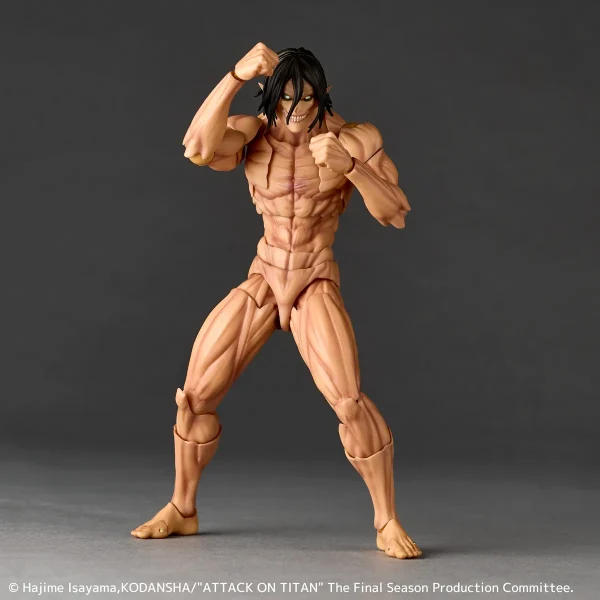
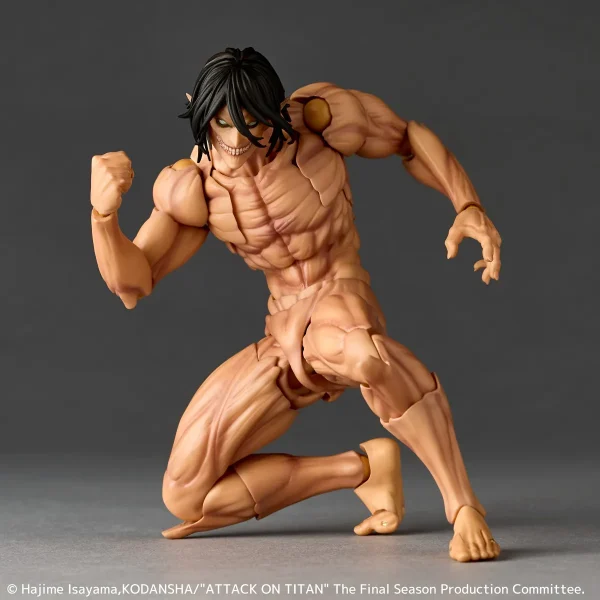
Amazing Yamaguchi Attack Titan – Attack on Titan 17cm Action Figure
£68.99or £64.99 for Signal members.
Stack & Save · buy 2, save 10%+Pre-order · £0 todayShips Oct 2026
Reserve 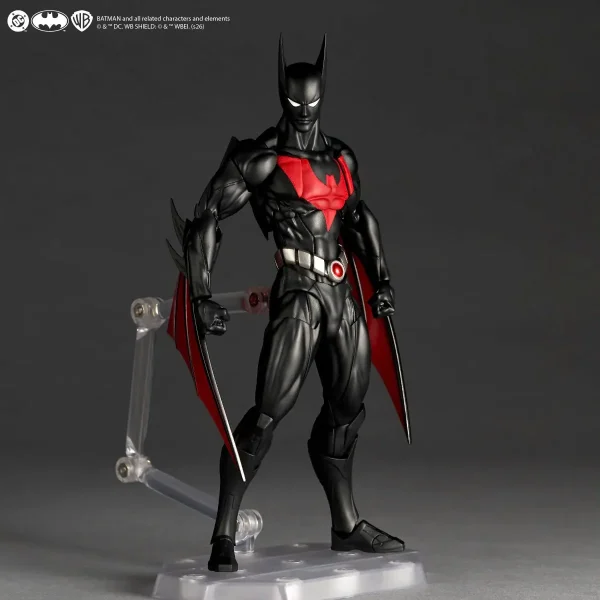
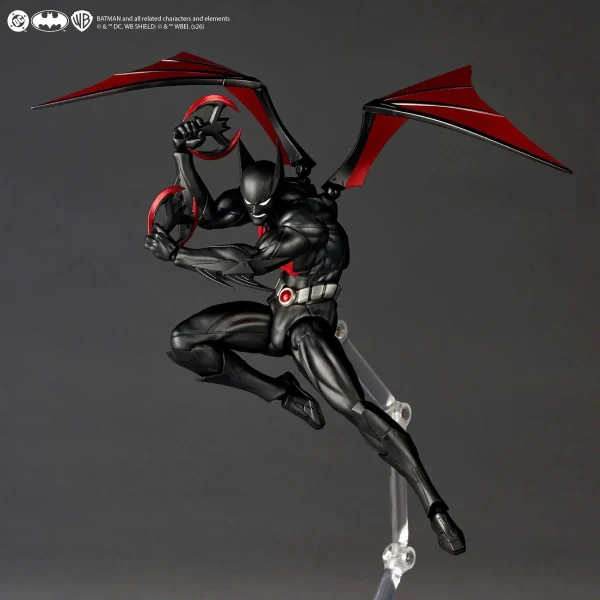
Amazing Yamaguchi Batman Beyond Classic Ver. – DC Comics 17cm Action Figure
£76.99or £73.99 for Signal members.
Stack & Save · buy 2, save 10%+Pre-order · £0 todayShips Mar 2027
Reserve 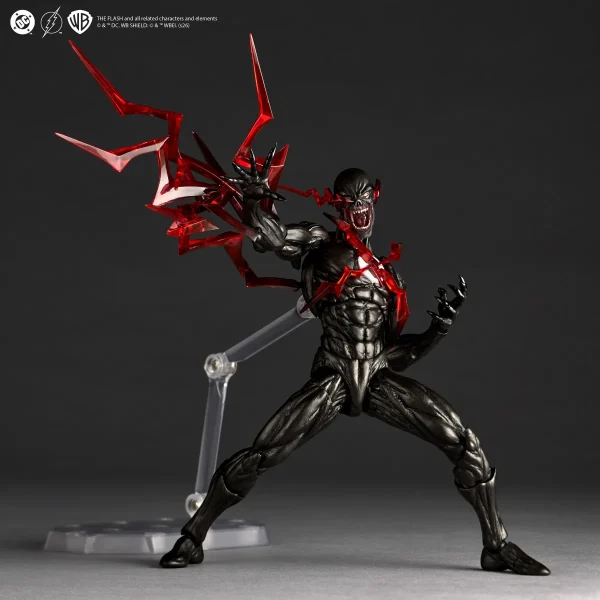
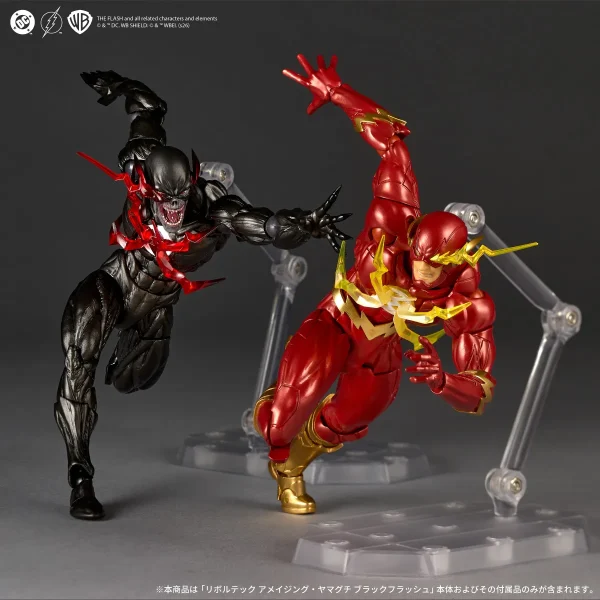
Amazing Yamaguchi Black Flash – DC Comics 17cm Action Figure
£82.99or £79.99 for Signal members.
Stack & Save · buy 2, save 10%+Pre-order · £0 todayShips Mar 2027
Reserve 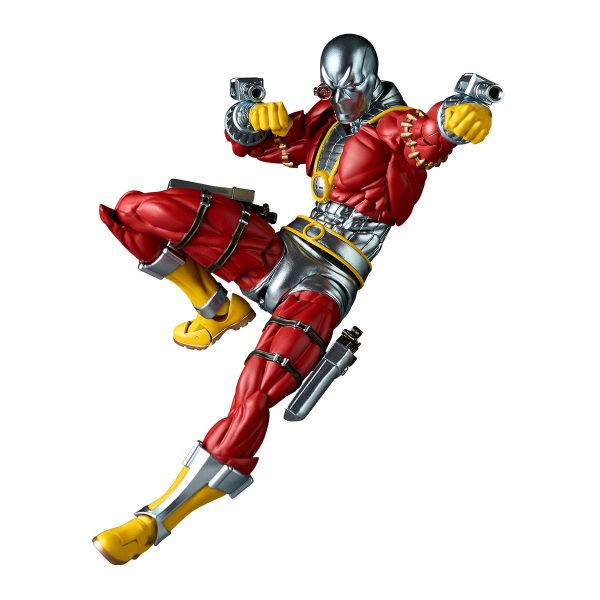
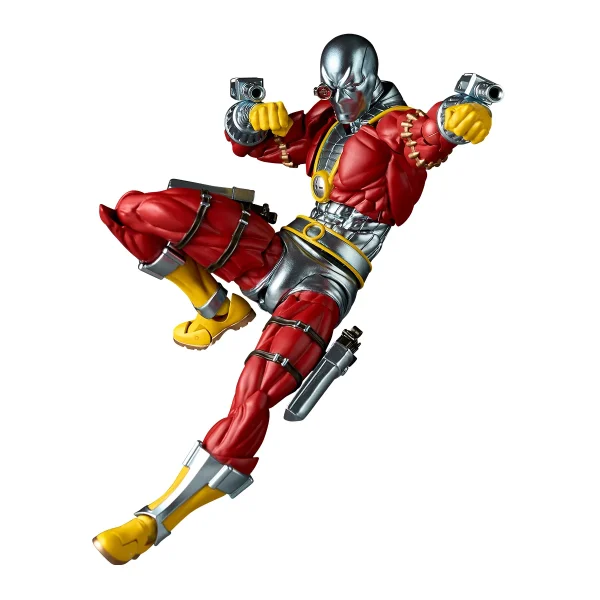
Amazing Yamaguchi Deadshot – DC Comics 17cm Action Figure
£81.99or £79.99 for Signal members.
Stack & Save · buy 2, save 10%+Pre-order · £0 todayShips Jan 2027
Reserve 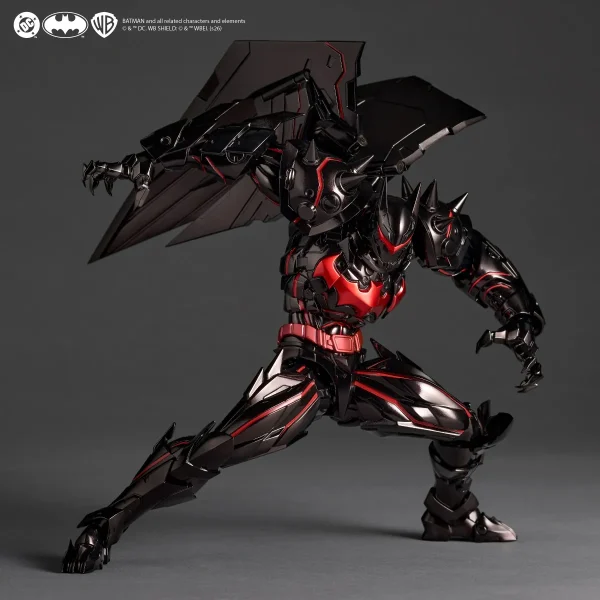
Amazing Yamaguchi Hellbat – DC Comics 19cm Action Figure
£98.99Pre-order · £0 todayShips Jan 2027
Reserve 
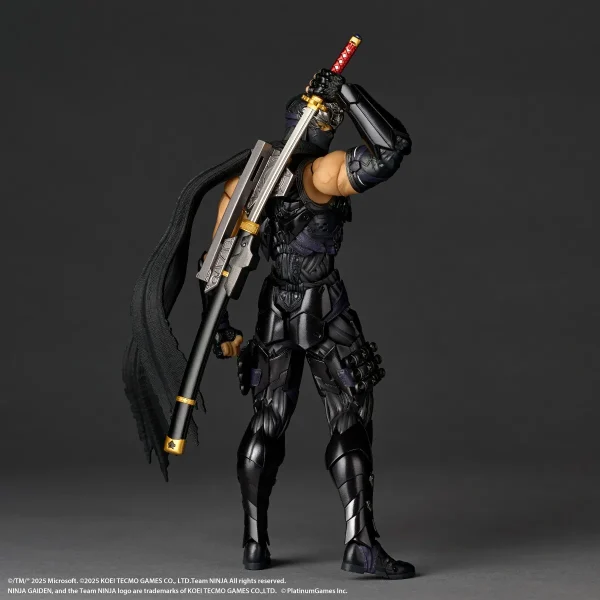
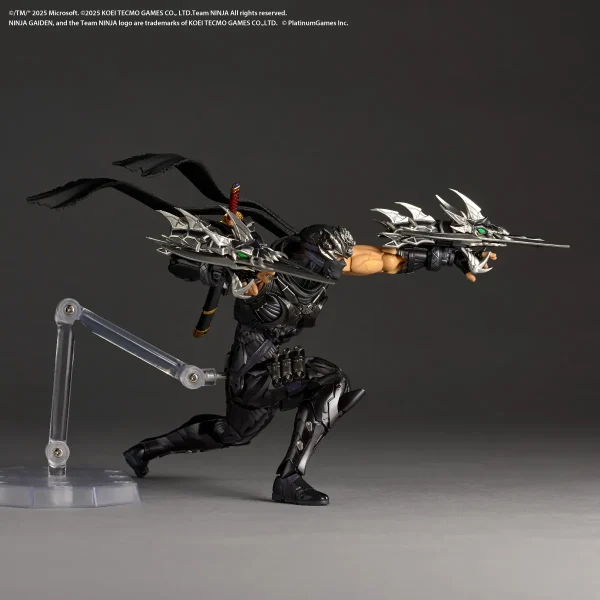
Did you know?
It is named after the man who engineers them. Here’s the story behind the Amazing Yamaguchi figures you’re collecting.
- The line is named after a real person, and that’s the whole point. Katsuhisa Yamaguchi is Kaiyodo’s articulated-figure specialist, and the company built an entire design language around how he works — “Yamaguchi-style articulation” is their own phrase for it, not a fan nickname. On newer releases he is credited as production supervisor rather than sculptor, with a second sculptor prototyping to his direction.
- The revolver joint is why they pose like that. Kaiyodo’s Revolver Joint pairs with a mono-shaft mechanism at the points needing the most travel, so a figure can hold a deep crouch or a mid-air kick and stay there instead of slowly drooping.
- There’s a third plastic in there doing the hard work. Kaiyodo list the materials as PVC, ABS and POM. That last one is polyoxymethylene, a low-friction engineering plastic used in gears and hinges — it is why the joints ratchet and grip rather than wearing loose.
- Kaiyodo actually publish the articulation count. Their own product pages give the numbers outright, with recent releases listed at as many as 24 points of articulation using 12 joints. Most manufacturers just say “super-poseable” and leave it there.
- They’re not all the same size, and they’re not a scale. A standard release stands around 160mm and the larger characters reach about 190mm. Each figure is sized to the character rather than to a fixed ratio, so a big character genuinely is bigger on your shelf.
- It began as an American comics line. Kaiyodo describe it as Yamaguchi taking on characters from American comics, and anime, manga and video-game characters came later. That is how one range ends up spanning superhero comics, shonen manga and fighting games at the same time.
- Kaiyodo has been at this since April 1964. They opened as a model shop of roughly five square metres in Moriguchi, Osaka, on the idea of “the joy of making, for everyone”. It is still only around 68 people, and sculptors rather than marketers lead the product side.
- They reckon they changed what the word “figure” means in Japan. By their own account it mostly meant figure skating before they came along, and their precision work is why it now means a detailed collectible sculpture.
- They make museum pieces as well as toys. The Allosaurus versus Barosaurus mount at the American Museum of Natural History in New York is Kaiyodo’s work, and they run Wonder Festival, Japan’s largest figure event.
The Amazing Yamaguchi buyer’s guide
What the line is, how big the figures are, what the numbering means, and why it is so hard to buy in Britain.
Amazing Yamaguchi is Kaiyodo’s flagship articulated figure line, and it is named after a person rather than a franchise. Katsuhisa Yamaguchi is Kaiyodo’s articulation specialist, and the company describes what he does as “Yamaguchi-style articulation” — their own term, used on their own site. The line began with American comic characters and has since grown to take in anime, manga and video games, which is how a single range ends up spanning superhero comics, shonen manga and fighting games at once.
Amazing Yamaguchi and Revoltech are not the same thing
This one catches almost everybody, retailers included. Revoltech is the parent brand. Amazing Yamaguchi is a sub-line inside it. Kaiyodo keep two separate product lists, and a fair number of figures sold online as “Amazing Yamaguchi” are, on Kaiyodo’s own listings, simply Revoltech.
Both use the same joint technology and both are properly made, so nothing is being downgraded here. But if you are collecting the Amazing Yamaguchi line specifically, the distinction is the difference between a complete run and a nearly complete one.
- Amazing Yamaguchi — the named line, carrying an AY or NR number, sculpted or supervised by Katsuhisa Yamaguchi.
- Revoltech — the wider brand, using the same joint technology, without the Amazing Yamaguchi branding.
- How to check — look at the full Japanese product name on Kaiyodo’s own listing. If the Amazing Yamaguchi part is missing from it, the figure is a Revoltech.
How big is an Amazing Yamaguchi figure?
There is no fixed scale. Kaiyodo size each figure to the character, so a physically large character genuinely arrives larger, and their own listing gives a height for every release.
- A standard release — around 160mm.
- A larger character — up to around 190mm.
- Officially non-scale — Kaiyodo publish no ratio for the line, so anyone quoting one is estimating.
For proportion against the rest of a shelf, that puts them a little taller than a standard S.H.Figuarts release and considerably taller than a Nendoroid, which stands about 100mm.
Materials are listed as PVC, ABS and POM. The first two are what the body and armour are moulded in. POM is polyoxymethylene, a hard, low-friction engineering plastic normally found in gears and hinges — it is in there specifically for the joints, and it is the reason they ratchet and grip rather than going loose with use.
The Revolver Joint, and why these pose the way they do
The Revolver Joint is a ball held in a ratcheting socket that clicks through its travel rather than swinging freely. Kaiyodo pair it with a mono-shaft mechanism at the points needing the most range, and place both where each individual figure needs them rather than to a fixed template.
The practical result is that an Amazing Yamaguchi will hold a deep crouch, a mid-air kick or a full weight-shifted fighting stance, and still be holding it a week later. Kaiyodo are unusually open about the engineering too. They publish the articulation count on the product page, with recent releases listed at as many as 24 points of articulation using 12 joints, where most manufacturers would say “super-poseable” and leave it at that.
Sculpting credit varies across the line. On some releases Yamaguchi is credited with the prototype himself. On others he is credited as production supervisor while a second sculptor prototypes to his direction.
AY or NR? Making sense of the numbering
Two numbering systems run through the range, which is what makes second-hand listings so confusing.
- AY numbers — the older scheme, used across the line’s earlier releases.
- NR numbers — the newer scheme, used on current releases.
- EX suffixes — an alternate colourway or variant of a release that already exists under the same number.
Neither number tells you a release date on its own, and the two sequences do not run in parallel, so a higher number is not automatically the newer figure. The dependable identifier is the JAN barcode, which Kaiyodo publish on every product page.
Why Amazing Yamaguchi is hard to buy in the UK
Three things stack up here, and none of them are going away.
The first is timing. Kaiyodo announce a figure and then release it a long way out — announcements made in the middle of 2026 carry release dates running through 2027. A figure sitting on a UK shelf was ordered well over a year before it got there.
The second is that Britain is not a primary market for the line. Most availability here comes through importers rather than a domestic release, so ranges are patchy and individual figures appear and vanish. It is entirely normal to find a UK specialist listing a large Amazing Yamaguchi range with the majority of it showing as out of stock.
The third is that the popular releases do not hang about. Between the announcement window and the release date a figure has usually been committed to already, which is why so much of the conversation online is collectors asking one another where to find one.
Reissues are a genuine second chance
Missing something is not the end of it. Reissues are a standing part of how Kaiyodo run the line, marked as such on their own listings, and popular releases from both the comic and anime sides of the range return regularly.
A reissue is the same figure, not a lesser version of it. It is usually the only sensible route to an older release without paying a resale premium, and it is why a patient collector can finish a range that looks impossible on the second-hand market.
How to check you are buying the real thing
Bootlegs circulate on the open marketplaces, as they do for any sought-after articulated line. A few checks cover most of it.
- Match the JAN barcode. Kaiyodo print it on their own product page for every release, so it can be checked directly against the box.
- Check the height. Kaiyodo publish a figure’s height, so anything arriving noticeably short of it is a warning sign.
- Count the accessories. The official listing itemises every face, hand and effect part, so short-packed contents are a strong signal.
- Read the credits before panicking. A few releases carry a different publisher and distributor with Kaiyodo credited for the sculpting. That is a licensing arrangement, not a warning sign.
- Buy through proper distribution. Authenticity is guaranteed by where stock is sourced, not by opening the box. Everything here arrives sealed and is hand-checked for condition on arrival — see how we source.
Pre-ordering, and what it costs you
Given that release timetable, most of this line is bought before it exists. That is simply how the range is secured, and it is normal for Amazing Yamaguchi.
Pre-orders here run on Pay on Fulfilment: reserve for £0 today and pay only once stock is confirmed, with nothing taken in between and no deposit held. Pre-order packages always ship free within the UK, at any value and any tier. Signal members earn 1.5× rewards on pre-orders. The full detail sits on the pre-order policy page.
Common questions
What scale are Amazing Yamaguchi figures?
They are officially non-scale. Kaiyodo publish a height for each figure but never a ratio, sizing each release to the character instead. Standard releases run around 160mm, with larger characters reaching about 190mm.
Is Amazing Yamaguchi the same as Revoltech?
No. Revoltech is Kaiyodo’s wider brand and Amazing Yamaguchi is a named line within it. Kaiyodo maintain separate product lists for the two, even though both use the same Revolver Joint technology.
Who is Yamaguchi?
Katsuhisa Yamaguchi, Kaiyodo’s articulated-figure specialist. The line carries his name because the articulation design is his, and Kaiyodo use the phrase “Yamaguchi-style articulation” across their range.
Why do the figures have AY and NR numbers?
Two numbering systems have run across the line’s history. AY is the older scheme and NR the newer one, with EX marking a variant or alternate colourway. The JAN barcode is the reliable identifier.
Will a figure I missed be reissued?
Often, yes. Reissues are a standing part of the line and popular releases return regularly, although Kaiyodo announce them individually and never promise one in advance.
Are they meant for display or for handling?
Both, genuinely. The ratcheting joints hold a pose indefinitely for display, and the same mechanism is built to be repositioned rather than set once. The included stand carries the airborne poses the range is known for.
Every piece in the collection
earns its place.
earns its place.
Authenticated. Curated. Delivered to serious collectors across the UK.
View Upcoming Drops →